A Springtime High ISS Pass
Last night I had an 87 degree pass of the ISS and relatively nice weather so I really wanted to give it a shot. I was excited because recently I had cleaned my telescope and done some long delayed maintenance that I think was harming how accurate my focus and collimation was. I haven’t been able to replicate my best ISS images in a few years and I think that’s part of the equation.
The pass was 87 degrees with a -3.9 magnituade brightness. Checking my notes when using my 3x barlow lens at that brightness I should go with 0.5ms exposure time and 410 gain setting. Jupiter seemed a bit dim at that exposure but I went ahead with it anyway, I think the sky may have been very slightly hazy.
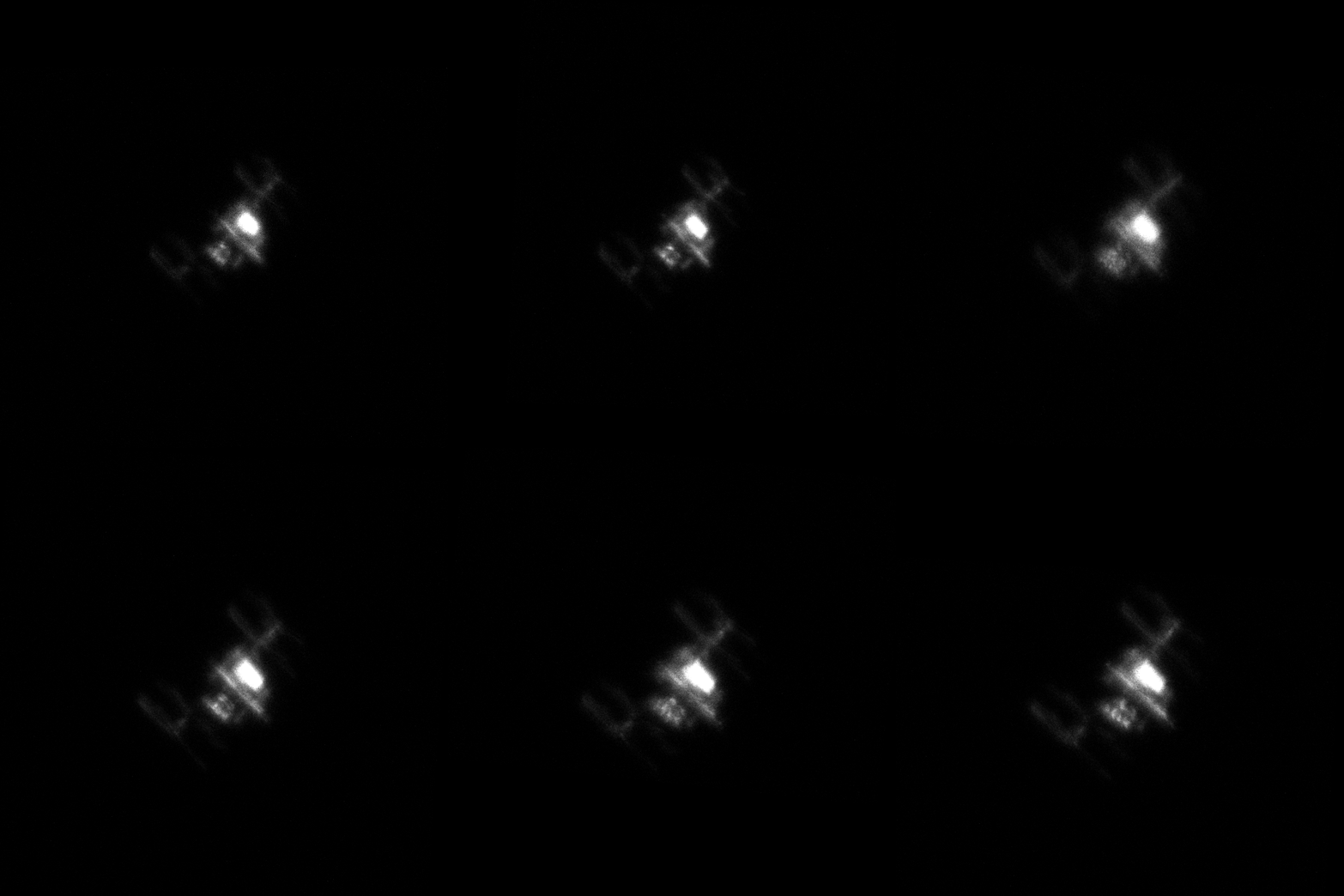
Thankfully due to my repairs I got a much better image than I have been getting recently. I used PIPP and ImageJ to throw away empty frames and align the station in frame, and you can clearly see the radiators, the Russian and American segments of the station, even the solar panels on the Russian side. The radiator is over exposed and the solar panels are under exposed, but I think that comes down to luck of the draw in the exact look angle you get, the time of day and the angle of the sun.
The images were stacked in Autostakkert and I tried sharpening with wavelets in Registax, though I couldn’t quite get the results I wanted. Maybe it’s that the image is slightly dim, maybe it’s because the atmosphere seems to be bouncing around a lot, but I can see more detail in the animation than the stacked image.
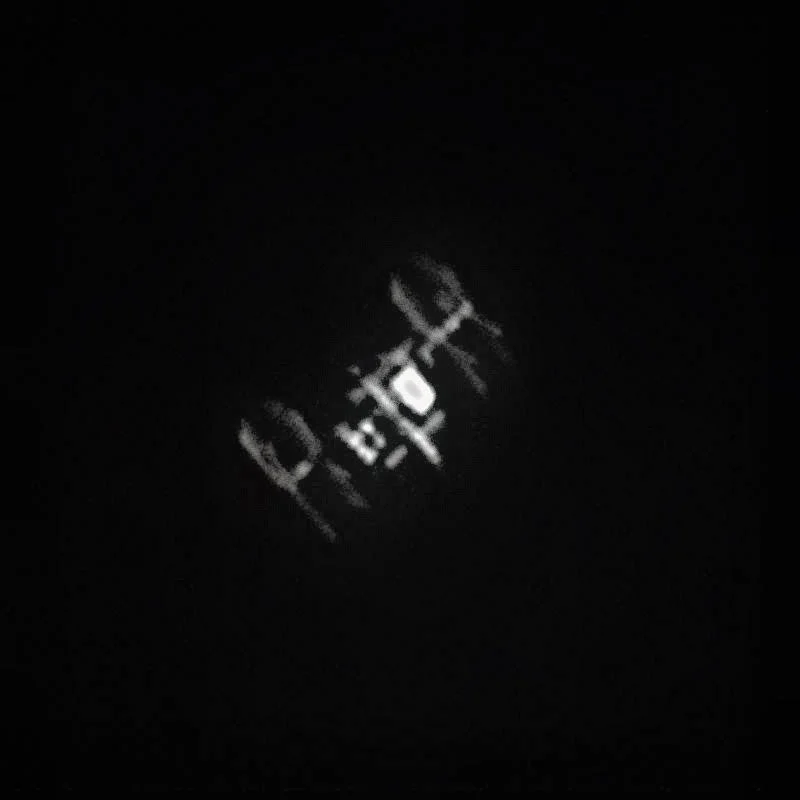
The solar panels are more visible now, and you can see the solar panel upgrades from a few years ago. Even though you can make out a lot of the structure, the whole thing is just a bit fuzzy.
In the end, I think my settings were close, my telescope repairs were good, I just need the atmosphere to play nicely and we’ll get another great shot!